
 ไทย
ไทย Indonesia
 Tiếng Việt
 Filipino
Hydraulic Drive Elevator
A hydraulic drive elevator is a type of elevator system that uses hydraulic power to move the cabin between floors. It is widely used in low- to mid-rise buildings because of its reliable performance, simple structure, and smooth operation. Unlike traction elevators, which rely on cables and counterweights, a hydraulic elevator works by pushing a piston upward with pressurized fluid. This basic principle makes it suitable for buildings where travel height is not very large.The system mainly consists of a hydraulic pump, oil tank, control valve, piston, cylinder, and elevator car. When the elevator is called to go up, the electric motor drives the pump, which sends hydraulic oil from the tank into the cylinder. The pressure of the oil pushes the piston upward, and the piston raises the car. To stop at a desired floor, the control valve regulates the flow of oil, allowing precise leveling and comfortable movement. When the elevator needs to go down, the valve opens and the oil returns to the tank under the force of gravity, causing the piston and car to descend smoothly.One of the biggest advantages of a hydraulic drive elevator is its strong lifting capacity. It can transport heavy loads efficiently, making it ideal for residential buildings, warehouses, small commercial spaces, hospitals, and service areas. It is also known for its quiet operation and gentle start-and-stop motion, which improves passenger comfort and reduces vibration. Because it does not require a machine room above the shaft, it can be easier to install in buildings with limited architectural space.Maintenance is another important feature of hydraulic elevators. The system is relatively simple compared with some other elevator types, so inspection and repair are often straightforward. The main focus of maintenance is on hydraulic oil, seals, valves, and the pump unit. Regular checks help ensure safe operation, stable performance, and long service life. However, proper oil management is important, since hydraulic systems depend on clean fluid and effective sealing to prevent leaks and loss of efficiency.Hydraulic elevators also have some limitations. Their speed is generally slower than that of traction elevators, and they are usually not the best choice for very tall buildings. In addition, because the system depends on hydraulic fluid, environmental care and leak prevention must be taken seriously. Modern designs often address these concerns by using improved materials, better energy control, and safer valve systems.Overall, a hydraulic drive elevator is a practical, dependable, and cost-effective lifting solution for many types of buildings. Its simple mechanism, heavy-load capability, and smooth ride quality make it a popular choice where moderate travel height and efficient vertical transportation are needed.
Products
Category:
-
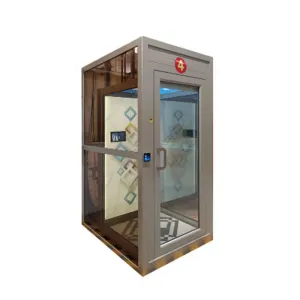
Multifunctional Backpack Household Elevator Small Home Villa Lift Easy Operation Safety Design
Category: Hydraulic Backpack-type Home ElevatorBrowse number: 143Number:Release time: 2026-07-08 14:19:45Multifunctional Backpack Household Elevator Small Home Villa Lift Easy Operation Safety Design
News
Category:
No search results found!
Case
Category:
No search results found!
Video
Category:
No search results found!
Download
Category:
No search results found!
Job
Category:
No search results found!
Featured Products
No search results found!



 Phone
Phone