
 ไทย
ไทย Indonesia
 Tiếng Việt
 Filipino
Electric Hydraulic Elevator
An electric hydraulic elevator is a type of lifting system that combines electric power with hydraulic technology to move people or goods smoothly between floors. It is widely used in residential buildings, commercial spaces, warehouses, and low- to medium-rise structures because of its reliable performance, stable operation, and flexible installation options. Unlike traction elevators that rely on ropes and counterweights, an electric hydraulic elevator uses a motor-driven pump to push hydraulic fluid into a cylinder. This pressure moves a piston upward, which raises the elevator car. When the car needs to descend, the fluid is released back through a valve, allowing the platform or cabin to lower in a controlled and safe manner.One of the main advantages of an electric hydraulic elevator is its strong lifting capacity. It can carry heavy loads efficiently, making it suitable for transporting passengers, cargo, or even vehicles in special applications. The system is known for its smooth start and stop, which helps reduce vibration and improves passenger comfort. Because the elevator does not require a large overhead machine room or complex counterweight structure, it can be installed in buildings with limited space. This makes it a practical solution for both new construction and renovation projects.Another important benefit is the relatively simple structure of the hydraulic system. Fewer mechanical components can mean easier maintenance and lower installation costs compared with some other elevator types. The electrical control system allows precise operation, including speed control, leveling accuracy, and safety monitoring. Modern electric hydraulic elevators are often equipped with advanced features such as overload protection, emergency lowering, automatic rescue devices, and temperature control systems to ensure safe and dependable use.Energy efficiency is also an important consideration. During upward movement, the motor consumes electricity to drive the pump. During descent, however, gravity assists the motion, so the system generally uses less energy. This makes the elevator efficient for applications where upward travel is frequent but downward travel requires minimal power. In addition, some designs can be adapted to reduce noise and improve environmental performance, supporting more sustainable building operations.Electric hydraulic elevators are valued for their durability and adaptability. They can operate reliably in different climates and building conditions, and they are especially useful where structural limitations make other elevator systems difficult to install. Their combination of electric control and hydraulic lifting provides a dependable and cost-effective solution for many vertical transportation needs.Overall, an electric hydraulic elevator offers a balanced mix of strength, safety, comfort, and practicality. Its ability to handle heavy loads, operate smoothly, and fit into compact spaces makes it an excellent choice for a wide range of applications. As building technology continues to develop, this type of elevator remains an important and trusted option in modern vertical transport systems.
Products
Category:
-
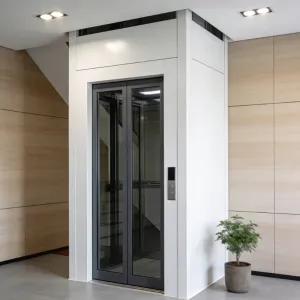
Residential Villa Professional Backpack Small Home Elevator Manufacturer
Category: Hydraulic Backpack-type Home ElevatorBrowse number: 164Number:Release time: 2026-07-08 14:19:37Residential Villa Professional Backpack Small Home Elevator Manufacturer
News
Category:
No search results found!
Case
Category:
No search results found!
Video
Category:
No search results found!
Download
Category:
No search results found!
Job
Category:
No search results found!
Featured Products
No search results found!



 Phone
Phone